Get involved
Care & Therapies
Note: We’re currently building a trusted resource list of highly recommended therapists, practitioners, therapies, holistic and nutritional resources, and community support services.
No Two Brain Injuries Are
the Same. Neither Is Recovery.
We learned this the hard way. After Cheyne’s injury, we walked into a world of medical terminology, competing recommendations, and enormous uncertainty. What worked for one person didn’t work for another. What helped in month two didn’t apply in year three. Recovery from traumatic brain injury is not a straight line, it is a deeply individual process that shifts as the person shifts.
This page is not a medical guide. It is a starting point, a map of the landscape, drawn by a family that has been walking it for more than a decade.
Once families leave the cocoon of clinical care there are limited resources or help with navigating this new world for families. We learn from each other—finding community and support is vital.
- Acute Hospital Care
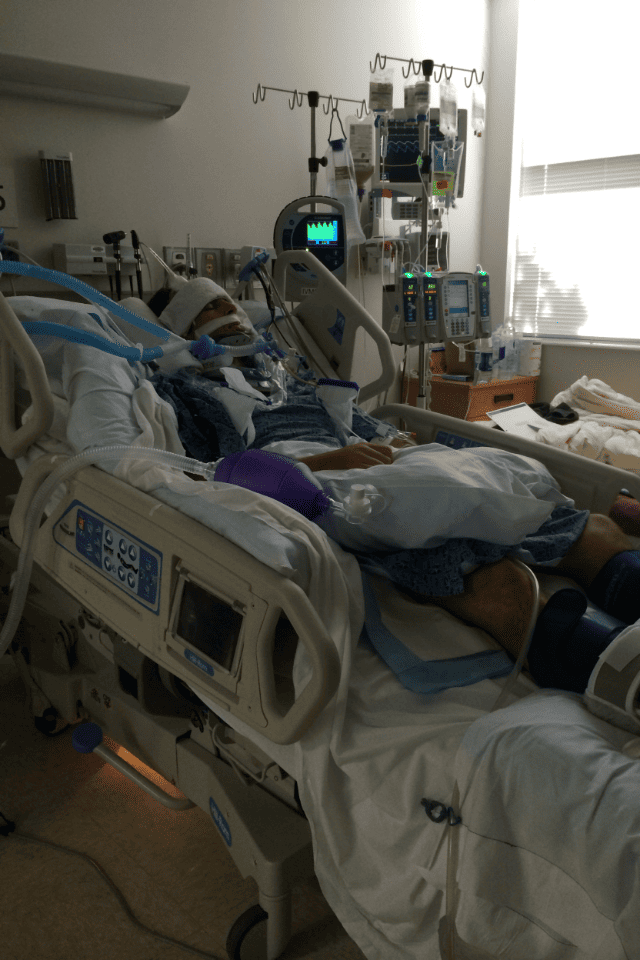
The ICU is where the immediate work of survival happens. Neurosurgeons and critical care teams focus on stabilizing the brain, preventing secondary injury, and monitoring pressure and bleeding. This is often the phase families find most overwhelming, the decisions are enormous, the information is dense, and the fear is constant.
A few things that helped us: Keep a notebook. Write every question down, every doctor’s name, every medication, every update. You will not remember not because you aren’t smart, but because the human brain under trauma doesn’t retain information the same way. That’s why a journal is in every comfort bag we deliver.
- Inpatient Rehabilitation
Once a TBI survivor is medically stable, many transition to an inpatient rehabilitation facility where an interdisciplinary team begins the work of recovery. This phase typically involves:
- Physical Therapy (PT): Rebuilding mobility, balance, strength, and coordination. For Cheyne, this was where we first saw flickers of who he was coming back — the effort in his eyes, the frustration when things didn’t work, and then the small victories that felt enormous.
- Occupational Therapy (OT): Relearning the skills of daily life dressing, eating, hygiene, and functional independence. OT therapists often become the people who can translate what a survivor is experiencing into language families can understand.
- Speech-Language Therapy (SLP): Addressing communication, language processing, cognitive-communication, and often swallowing. Many families don’t realize that SLP covers far more than speaking; it addressesmemory, attention, and the ability to organize thoughts.
- Neuropsychology: Assessment and support for the cognitive and emotional changes that TBI causes;issues with memory, executive function, behavior, emotional regulation, and mental health. This is often the piece families overlook, and it is one of the most important.
-
Outpatient & Long-
Term Recovery
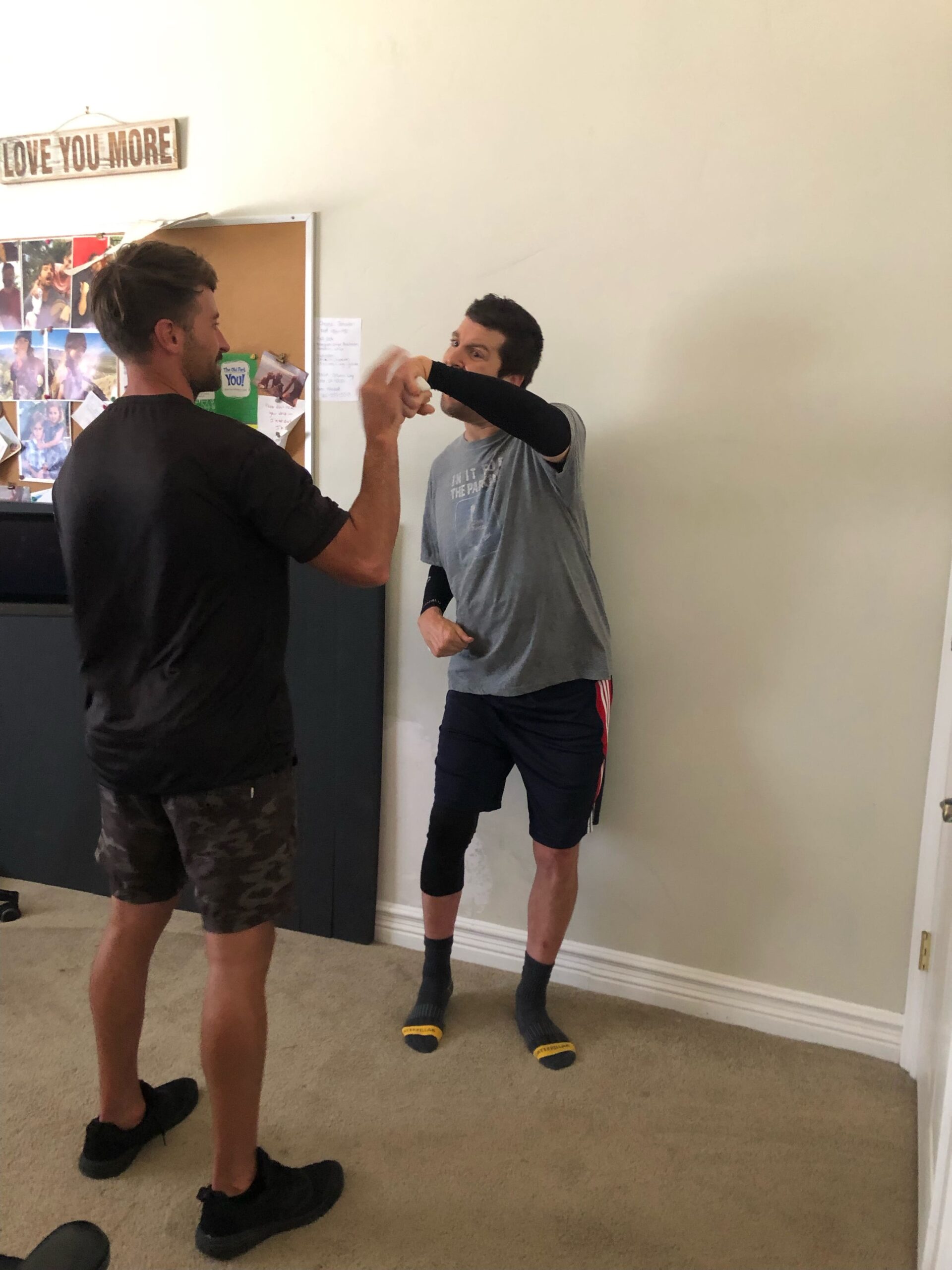
Recovery does not end at discharge and does not look the same for everyone. Most TBI survivors continue outpatient therapies for months or years. Progress during this phase is often slower and less visible which is one reason caregivers struggle. The ICU has monitors and metrics. Home has mornings that just feel hard.
Long-term care often involves neurologist follow-up, ongoing PT, OT, and SLP, community reintegration programs, vocational rehabilitation for those working toward independence, and consistent mental health support for both the survivor and family members.
Consider engaging a Physical Medicine and Rehabilitation Doctor (Physiatrist) as part of your team. They are medical doctors who specialize in helping people regain function after surgery, a stroke, or an injury. They may also help people who have issues such as controlling pain or regaining strength.
Integrative & Complementary Approaches
Alongside traditional medical care, many TBI families find real value in integrative approaches. We include several of these items in our comfort bags because we have experienced their value firsthand and because hospitals like Scripps have validated them. These are not replacements for medical care. They are additions.
- Mindfulness and guided meditation -for grounding during acute stress
- Aromatherapy (lavender, essential oils) -for calm and sensory regulation
- Music therapy -familiar voices and music activate memory and comfort
- Art therapy and journaling -processing what words can’t hold
- Massage and gentle bodywork -physical care for caregivers as much as survivors
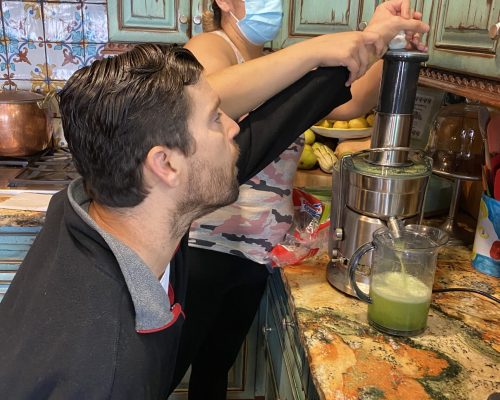
- Nutritional support -brain recovery is metabolically intensive food matters
- Acupuncture -increasingly recognized in neurorehabilitation settings
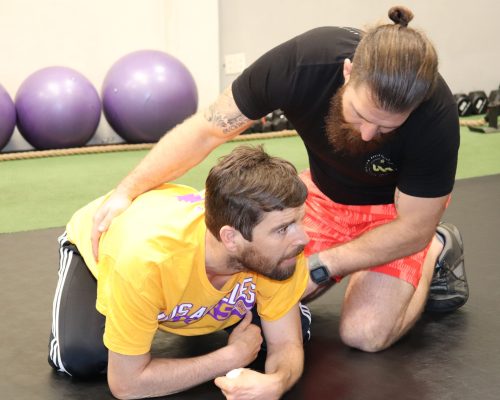
DNS Chiropractic
Craniosacral Therapy
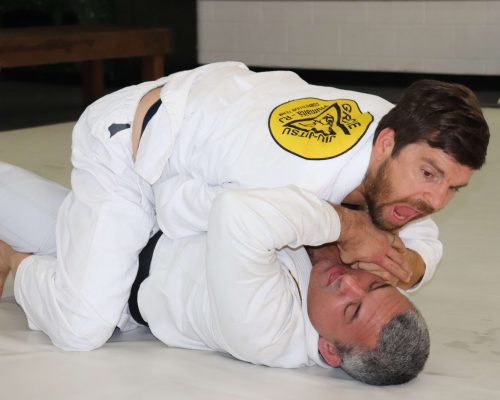
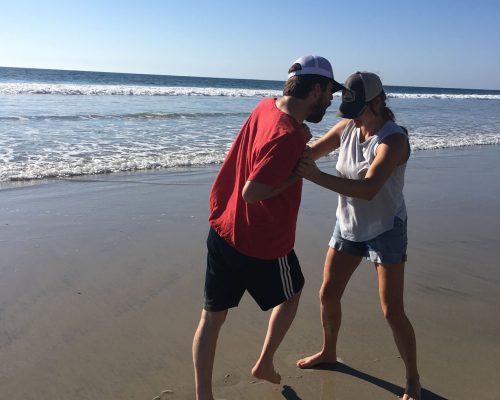
Jiu Jitsu
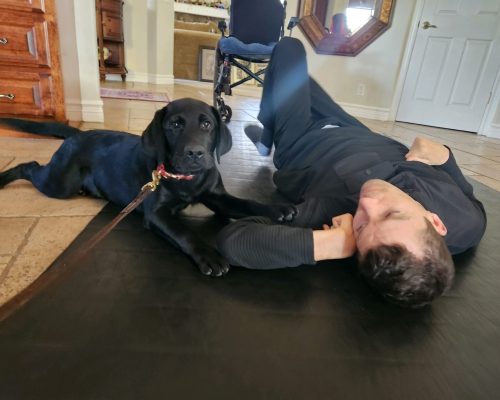
Animal Therapy
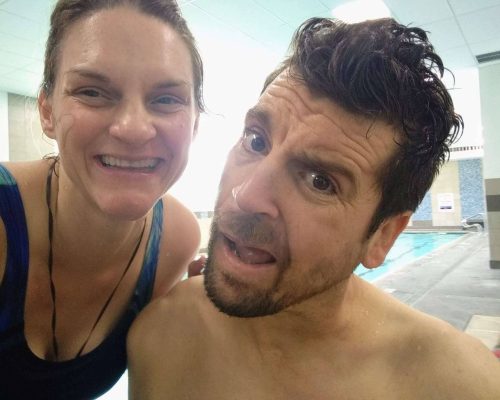
Water Therapy
CAREGIVER SUPPORT GROUP
This section exists because caregiver wellness is inseparable from the survivor’s recovery. You cannot pour from an empty cup — and caring for a TBI survivor is one of the most sustained, demanding acts of love a person can offer.
Burnout is not a character flaw. It is a physiological response to chronic stress. If you are exhausted, overwhelmed, or quietly disappearing into the role of caregiver, you are not failing. You are human. Our support group, our seminars, and our community exist as much for you as for your loved one.